
Hemorrhoids

Symptoms, and Management
Hemorrhoids are a common anorectal condition that affects millions of people worldwide. The information below provides a comprehensive overview of hemorrhoids, including their causes, symptoms, and management strategies.
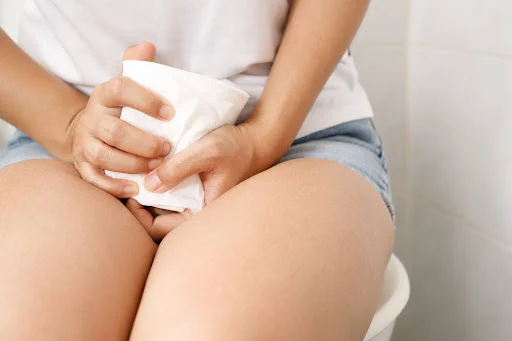
What Are Hemorrhoids?
Hemorrhoids are swollen veins in the lower rectum and anus. They can be classified into two types:
1.Internal hemorrhoids: Develop inside the rectum
2.External hemorrhoids: Form under the skin around the anus
Hemorrhoids are further categorized into four grades based on their severity:
- Grade IV: Prolapse that cannot be reduced
- Grade I: No prolapse
- Grade II: Prolapse that reduces spontaneously
- Grade III: Prolapse that requires manual reduction
Causes and Risk Factors
The primary cause of hemorrhoids is increased pressure on the veins in the anus and rectum. Common risk factors include:
- Straining during bowel movements
- Sitting on the toilet for long periods
- Chronic constipation or diarrhea
- Low-fiber diet
- Pregnancy
- Obesity
- Heavy lifting
- Aging (weakening of supporting tissues)
- Family history
Signs and Symptoms
Symptoms of hemorrhoids can vary depending on their type:
External Hemorrhoids
- Anal itching
- Uncomfortable lump(s) or swelling near your anus
- Anal pain or discomfort, especially when sitting
Internal Hemorrhoids
- Painless rectal bleeding
- Mucus discharge
- Feeling of incomplete evacuation
- Skin that sticks out of the anus during bowel movements

Diagnosis
Diagnosis of hemorrhoids typically involves:
1. Medical history review
2. Physical examination
- Visual inspection
- Digital rectal examination
3. Anoscopy
4. Flexible sigmoidoscopy or colonoscopy (to rule out other conditions)
Management and Treatment Options
Conservative Management:
High-fiber diet.
Increased water intake.
Warm sitz baths.
Over-the-counter topical treatments.
Stool softeners.
Surgical Interventions:
Hemorrhoidectomy.
Stapled hemorrhoidopexy.
Doppler-guided hemorrhoidal artery ligation.
Emerging Treatments:
Hemorrhoid artery embolization (HEMBO™ or HAE).
Find out if you are a candidate
Best Natural & Home Remedies For Hemorrhoids
Here are some of the best home remedies for managing hemorrhoid symptoms:
1. Warm baths or sitz baths:
- Take a warm bath or sitz bath for 10-15 minutes, 2-3 times a day.
- Adding Epsom salt to the bath can provide further pain relief.
2. Cold compresses:
- Apply ice packs or cold compresses to the anal area for 15 minutes at a time to reduce swelling.
3.Fiber and hydration:
- Increase fiber intake through diet or supplements (like psyllium husk).
- Drink plenty of water to soften stools.
4.Topical treatments:
- Apply witch hazel to reduce itching and pain.
- Use over-the-counter hemorrhoid creams, ointments, or suppositories.
- Try pure aloe vera gel for its anti-inflammatory properties.
5.Coconut oil:
- Apply externally or consume regularly for its anti-inflammatory and analgesic properties.
6.Proper hygiene:
- Clean the anal area gently with warm water during showers or baths.
- Avoid using soap or rough toilet paper.
7.Lifestyle changes:
- Avoid straining during bowel movements.
- Don’t sit on the toilet for long periods.
- Exercise regularly to prevent constipation.
8.Pain relief:
- Take over-the-counter pain relievers if needed.
9.Natural remedies:
- Try tea tree oil combined with other natural treatments for potential relief.
Consult your healthcare provider prior to starting home treatment options. If symptoms persist or worsen after a week of home treatment, or if you experience rectal bleeding, please consult with a provider.
Prevalence and Incidence of Hemorrhoids Across The Globe
Groups: A Global Perspective
Introduction
Hemorrhoids are a common anorectal condition affecting millions of people worldwide. However, their prevalence and incidence can vary significantly across different ethnic populations and geographic regions. This brief introduction examines the available epidemiological data on hemorrhoids in various ethnic groups and explores potential factors contributing to these differences.
Global Prevalence
The global prevalence of hemorrhoids is estimated to range from 4.4% to 86%, with most studies reporting rates between 13% and 36%. This wide range reflects variations in study populations, diagnostic criteria, and assessment methods.
Prevalence by Region and Ethnicity
Western Countries
United States: Approximately 10 million
people report hemorrhoid symptoms,
with a prevalence of about 4.4%. Australia: Highest reported prevalence at 38.93%.
Israel: 16% prevalence.
Asia
Korea: 14.4% prevalence.
Saudi Arabia: 16.6% prevalence in a study of the general population in Makkah.
Africa
Egypt: 18% prevalence among patients undergoing colonoscopy.
Ethiopia: 13.1% prevalence among surgical outpatients.
Ethnic Disparities
While comprehensive data on hemorrhoid prevalence across all ethnic groups is limited, some studies have noted differences:
In the United States, hemorrhoid prevalence appears to be lower among African Americans compared to Caucasians
Caucasians may have a higher likelihood of developing hemorrhoids compared to other racial groups
Age and Gender Factors
Across most ethnic groups, certain trends in hemorrhoid prevalence are consistent:
Gender differences vary by study, with some reporting higher prevalence in females and others in males
Prevalence increases with age, with the highest rates observed in older adults
Risk Factors
Several risk factors for hemorrhoids appear to be consistent across ethnic groups:
- Constipation
- Obesity/high BMI
- Pregnancy and childbirth
- Low-fiber diet
- Sedentary lifestyle
However, the impact of these risk factors may vary among different populations due to genetic, dietary, and lifestyle differences.
Limitations and Research Gaps
Current epidemiological data on hemorrhoids has several limitations:
Insufficient data on ethnic minorities within countries
Lack of standardized diagnostic criteria across studies
Varying methods of assessment (self-report vs. clinical examination)
Limited large-scale studies in many regions, particularly in Africa and parts of Asia